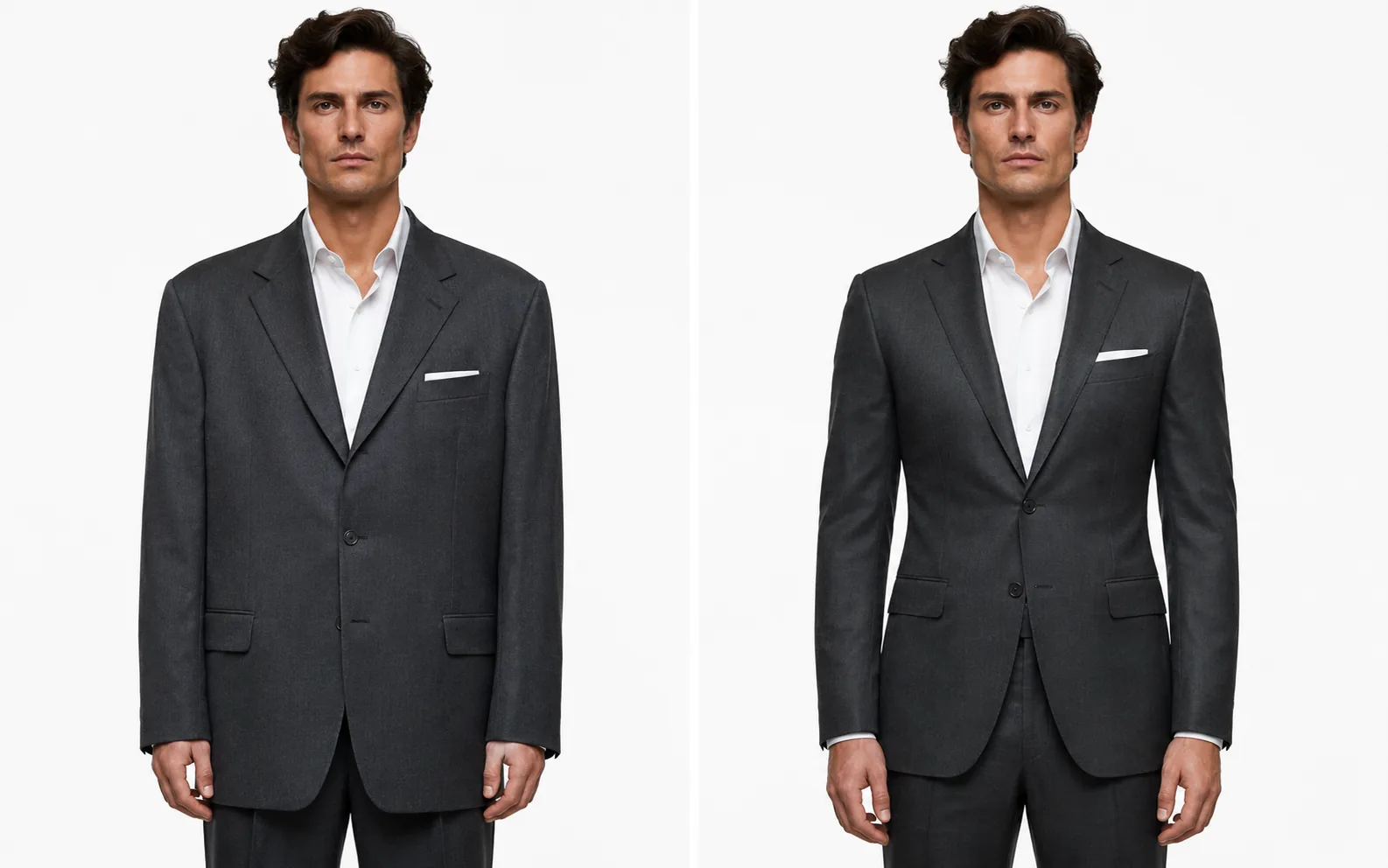
There is a particular silence that falls over a fitting room when a jacket sits exactly as it should. The shoulders align with the body's natural architecture. The chest drapes without pulling. The back panel lies flat, unmarred by creases or tension lines. It is, in the quietest possible sense, perfect.
Why Fit Supersedes Everything
A thousand-pound suit cut poorly will always lose to a two-hundred-pound suit that fits. This is the inconvenient truth of menswear that no amount of branding can obscure. Fabric quality matters, of course. Construction matters. But fit is the foundation upon which every other element rests — without it, nothing else registers.
The human eye processes silhouette before detail. We read the outline of a person's clothing in milliseconds, long before we notice lapel width or button stance. A garment that fits creates a clean, intentional silhouette. One that doesn't creates visual noise — pulling, bunching, gapping — that the brain interprets as disorder.
The Five Points of Perfect Fit
Professional tailors evaluate fit at five critical junctions: the shoulder seam, the chest, the waist suppression, the trouser break, and the collar gap. Each tells a story. A shoulder seam that extends past the deltoid suggests the jacket was made for a broader frame. A collar that pulls away from the shirt indicates the balance is off — the jacket's back is too short or too long for the wearer's posture.
These are not aesthetic preferences. They are structural truths. A jacket that fits at all five points moves with the body rather than against it. It permits a full range of motion without distortion. It ages better because the fabric isn't under constant unnatural stress.
The Modern Fit Spectrum
Contemporary tailoring exists on a spectrum from relaxed to razor-sharp. The Neapolitan tradition favours a softer, slightly fuller cut — room in the chest, a natural shoulder, trousers that drape rather than cling. The British tradition runs leaner, with defined waist suppression and a higher armhole that restricts movement but creates an immaculate line.
Neither is objectively correct. The right fit depends on your body, your lifestyle, and the impression you wish to create. What matters is intentionality — that every centimetre of ease or suppression is a deliberate choice rather than an accident of sizing.
Achieving Fit Without Bespoke
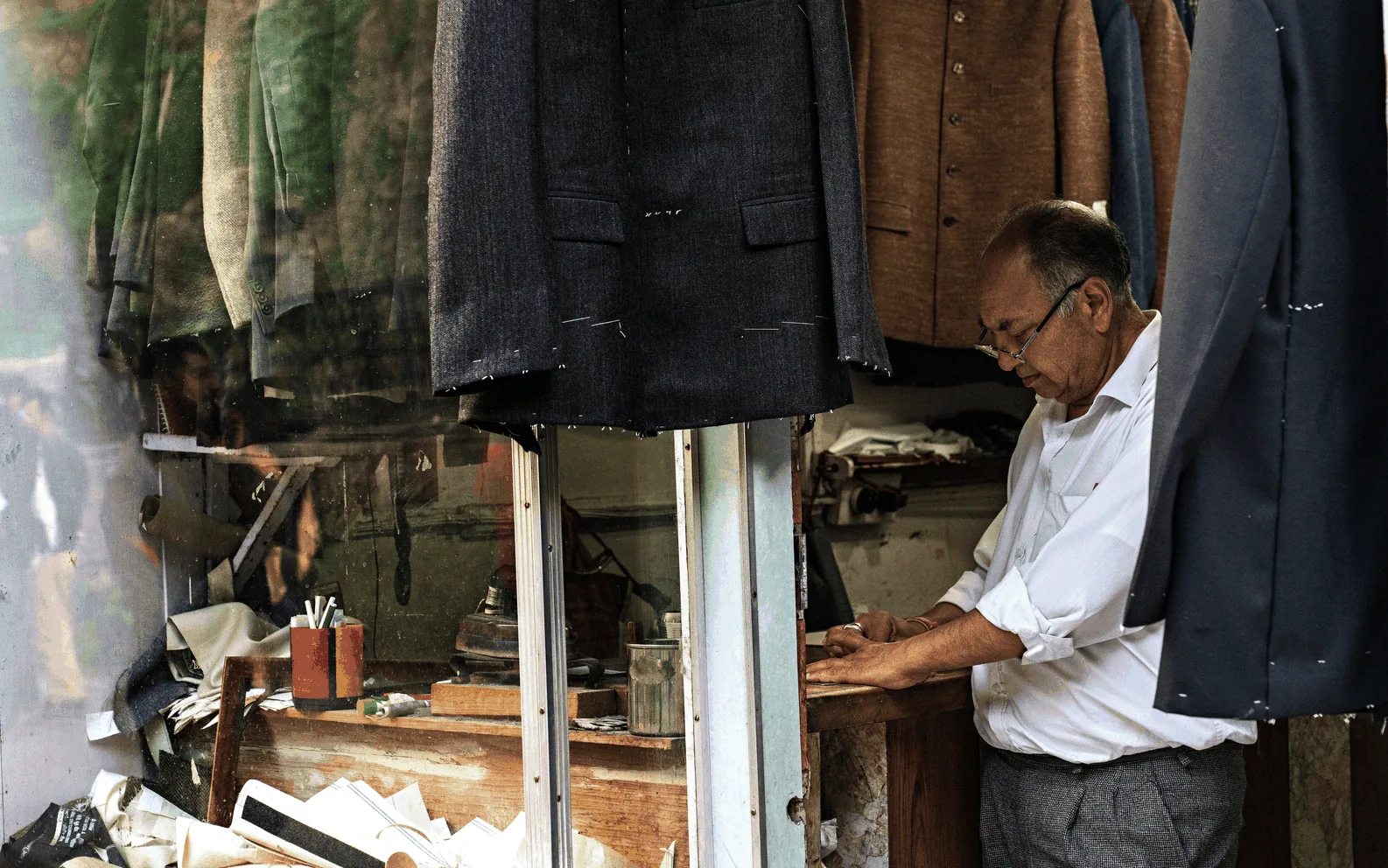
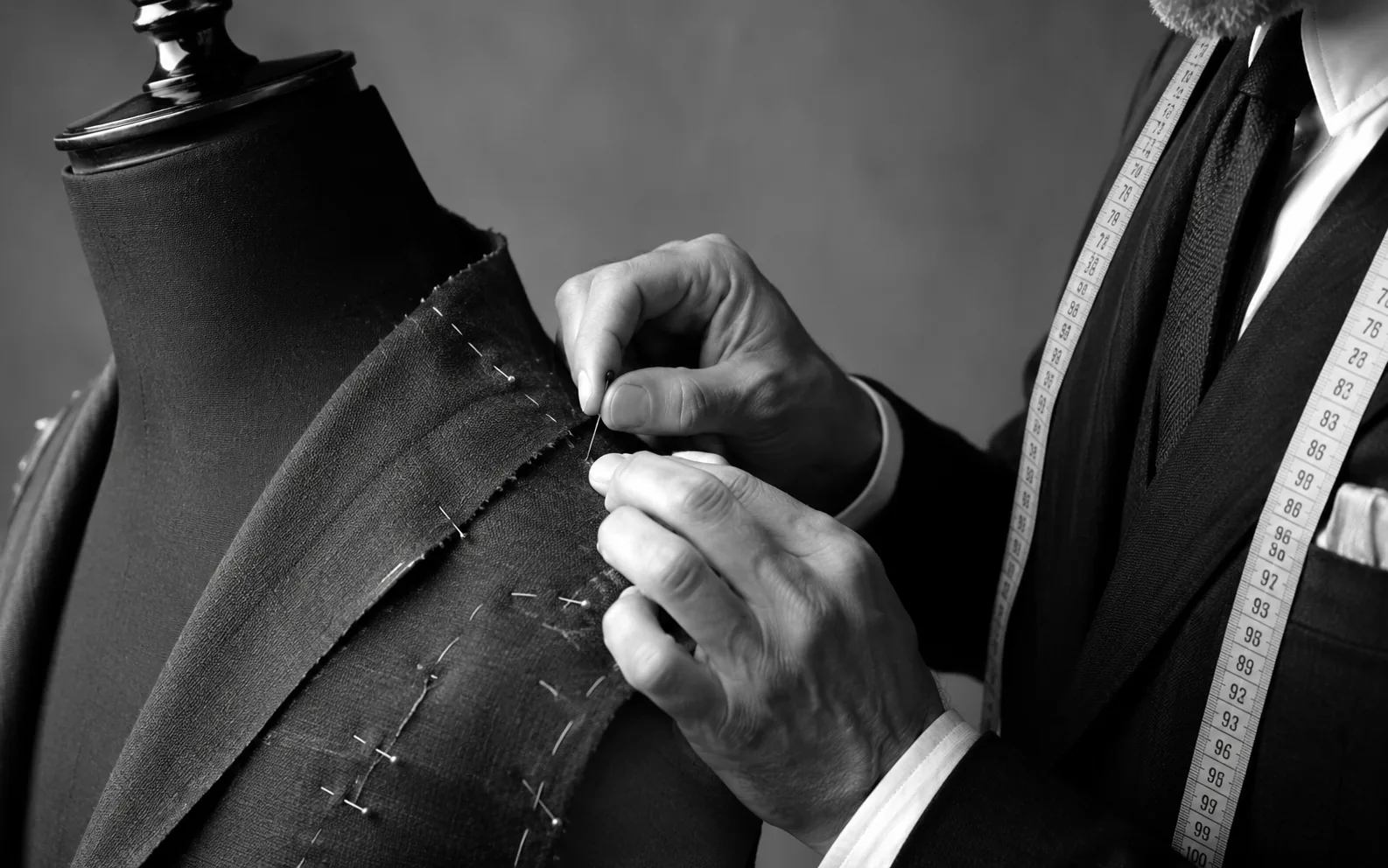
Not everyone can commission bespoke garments. The good news is that fit is achievable at almost any price point, provided you understand your own measurements and are willing to invest in alterations. Buy the size that fits your largest dimension — typically chest or shoulders — and have a tailor adjust everything else. A competent alterations specialist can take in a waist, shorten sleeves, taper trousers, and adjust hem lengths for a fraction of what the garment cost.
The result won't be bespoke. But it will be yours — shaped to your specific proportions, moving with your body, creating that clean intentional silhouette that separates the well-dressed from the merely expensive.